
University of Arizona Museum of Art
Sprawling collection of artwork & sculptures spanning the Renaissance to the 20th century.
About University of Arizona Museum of Art
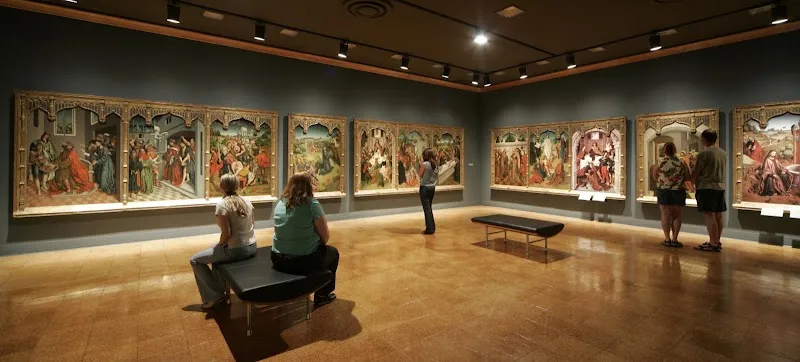
The University of Arizona Museum of Art, known as UAMA, is a Tucson art museum and member of the Arizona Arts division at the University of Arizona. Its collection includes more than 6,000 pieces of art, with works and sculptures spanning the Renaissance through the 20th century and into contemporary art. The museum advances the university's academic and research mission while providing opportunities for campus and community audiences to encounter art, ask questions, and take part in critical dialogue.
UAMA's collection includes paintings, prints, sculpture, and other works by artists from a wide range of periods and places. Among the works featured in its collection records are paintings by Giorgio Morandi, William Sidney Mount, Elisabeth Louise Vigée-LeBrun, Jackson Pollock, Pierre-Auguste Renoir, Mark Rothko, and Frederic S. Remington. The collection also includes prints by Albrecht Dürer and Rembrandt van Rijn, sculpture by Alexander Calder and Jacques Lipchitz, and works by artists including David Alfaro Siqueiros, Robert H. Colescott, Margo Humphrey, and Edgar Heap of Birds. These holdings give visitors the chance to consider different approaches to portraiture, landscape, abstraction, history, identity, and artistic expression.
Exhibitions at UAMA draw from both its ongoing galleries and changing presentations. The museum's listed ongoing exhibitions include the Modern Art Gallery, the Samuel H. Kress Collection, and the Contemporary Art Gallery. Other exhibitions explore focused themes and artists, including "Surrealism: The Art of the Subconscious," "BIG & little: A Vault Show," "Look at me and see what?", and "Sentimental Impressions." Through the stewardship and interpretation of its expanding collection of art and archives, UAMA connects individual works with broader conversations about culture, creativity, and the role of art in everyday life.
Education and public engagement are central to the museum's work. UAMA offers programs designed to help people learn more about and enjoy art, with learning opportunities connected to the university, K-12 audiences, and the broader community. Its calendar also includes events such as virtual Art Trivia Happy Hours, with topics including art and disability, whimsy, and photography. Membership provides access to exclusive exhibitions, events, and behind-the-scenes tours, while support helps fund exhibitions, educational programs, acquisitions, archives, public art, and general museum operations.
UAMA also presents art as a way to spark ideas, start conversations, and create joy. The museum acknowledges that the University of Arizona stands on the land and territories of Indigenous peoples, and notes that Tucson is home to the O'odham and the Yaqui. The university describes its efforts to build sustainable relationships with sovereign Native Nations and Indigenous communities through education offerings, partnerships, and community service. Located on the University of Arizona campus in Tucson, the museum is currently closed to the public for its summer closure and is scheduled to reopen on August 8. Visitors can begin planning a visit through the museum's exhibition, event, accessibility, group visit, and "Know Before You Go" resources.