
Flandrau Science Center and Planetarium
Planetarium shows, laser-light shows & interactive exhibits star at this astronomy museum.
About Flandrau Science Center and Planetarium
Flandrau Science Center and Planetarium brings the scale and drama of the universe into the heart of the University of Arizona campus at 1601 E University Blvd in Tucson. The city’s astronomy museum combines planetarium shows, laser light performances, and interactive science exhibits in a setting that feels both educational and entertaining. Its 4.5 out of 5 Google rating reflects the appeal of a place where children can experiment, adults can learn something new, and anyone with an interest in the night sky can spend several engaging hours indoors.
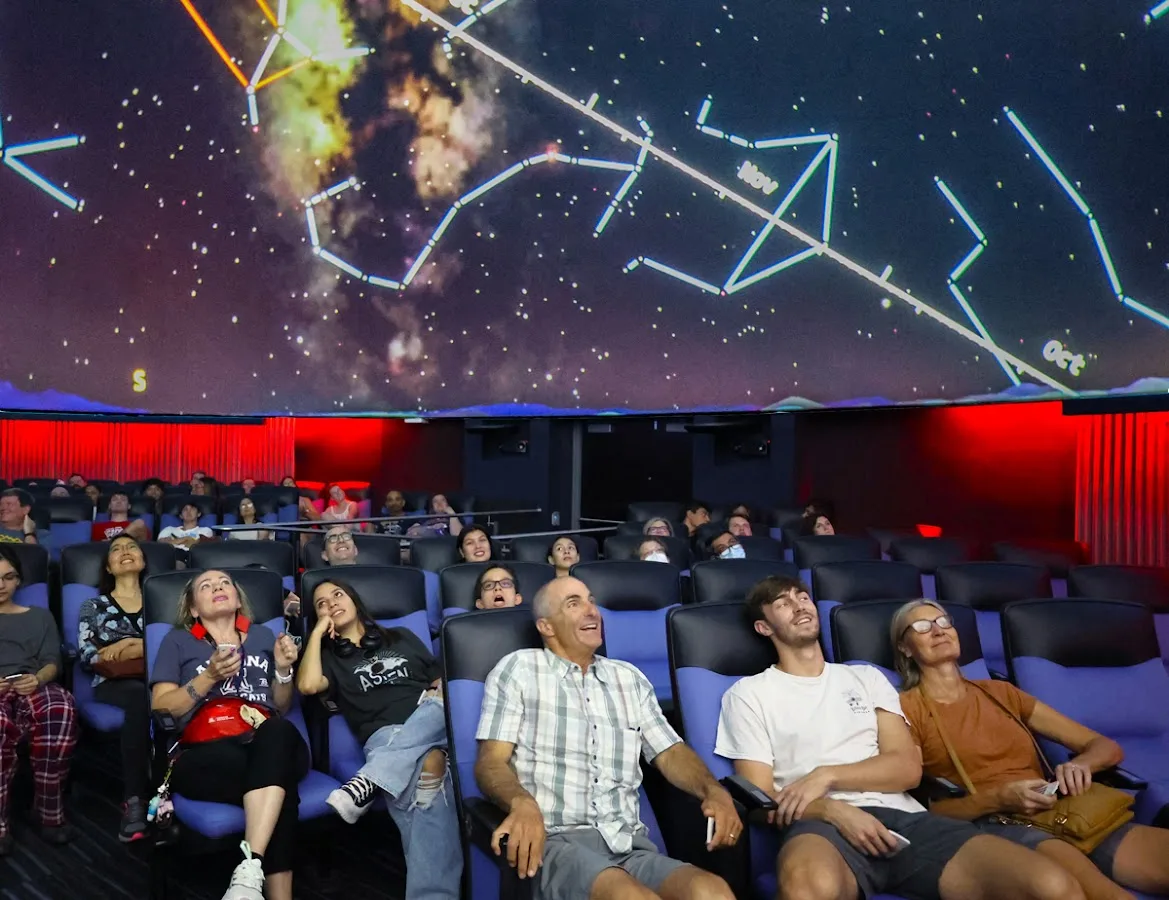
The planetarium serves as Flandrau’s main attraction, surrounding visitors with a sweeping digital view of stars, planets, nebulae, and distant galaxies. Shows explore subjects such as the solar system, the search for life beyond Earth, and the changing night sky, often pairing clear explanations with immersive visuals. The experience is especially meaningful in Tucson, a city known for its dark sky protections and strong connection to astronomy. Visitors who have seen the Milky Way over the Sonoran Desert can connect that local experience to a much larger story about the universe.
Outside the dome, the center invites visitors to learn by doing. Interactive displays turn concepts from physics, geology, biology, and space science into something tangible, with controls, demonstrations, and visual models that encourage curiosity rather than passive observation. Exhibits often connect global scientific questions to Arizona’s own landscapes, including desert geology, extreme environments, and the forces that shape the region. The center also presents changing programs and special events, so returning visitors may find new subjects and activities alongside familiar favorites.
Flandrau works well for families, school age children, college students, science enthusiasts, and travelers looking for a distinctive Tucson attraction during the heat of the afternoon. Younger visitors appreciate the opportunity to touch, test, and explore, while older guests can settle into a planetarium program or investigate the science behind the displays. The indoor setting offers a comfortable break during hot summer days, and weekday mornings generally provide a calmer experience for visitors who prefer fewer crowds. Evening planetarium or laser light shows create a livelier atmosphere and make a memorable complement to dinner or a campus visit.
A visit usually works best when guests check the current show schedule and reserve planetarium seats in advance, since popular programs can fill quickly. Families can allow roughly two hours for exhibits and a show, while dedicated astronomy fans may want longer to explore the galleries and attend a special presentation. Flandrau’s blend of accessible science, immersive astronomy, and Tucson’s deep relationship with the desert sky gives it an identity that extends beyond a typical museum visit. Anyone curious about what lies above and beneath Arizona should experience Flandrau Science Center and Planetarium for themselves.