
Catalina Highway
About Catalina Highway
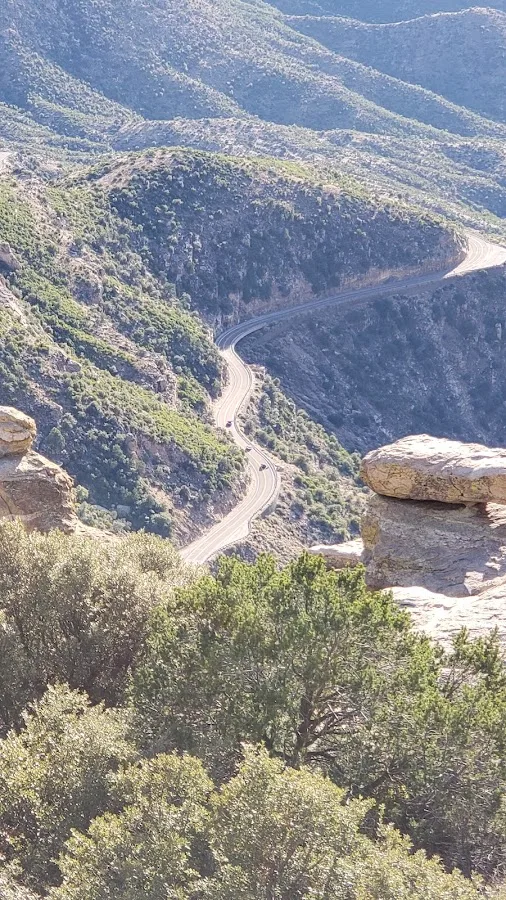
Catalina Highway offers one of Tucson’s most memorable outdoor experiences, turning a drive into a dramatic journey through several climates. Also known as the General Hitchcock Highway, it begins in the Sonoran Desert on the city’s northeast side and climbs toward the summit of Mount Lemmon in the Coronado National Forest. Over roughly 27 miles, the road rises from the cactus filled foothills at about 2,700 feet to the alpine environment near 9,000 feet. Each bend reveals a new landscape, making the route feel less like a commute and more like a passage through an entire mountain range.
Visitors experience Tucson’s desert scenery first, with giant saguaros, ocotillos, palo verde trees, and wide views across the valley. Higher up, the vegetation changes to juniper, oak, pine, and fir, while cooler air offers a welcome contrast to summer heat below. Several overlooks and pullouts provide places to pause, take photographs, and watch the city spread across the basin. Windy Point Vista is a favorite stop, with exposed granite formations and far reaching views, while the viewpoints near Seven Cataracts showcase rugged canyon walls and seasonal water flow. The changing scenery is Catalina Highway’s defining feature and one of the clearest examples of Tucson’s unusual Sky Island geography.
The highway also serves as a gateway to hiking, picnicking, camping, and wildlife viewing. Short walks and longer trails lead through desert foothills, pine forest, and rocky mountain terrain, with options for casual explorers and experienced hikers. Trails near Molino Basin offer access to lower elevation scenery, while routes around Mount Lemmon and Summerhaven provide cooler conditions and forest views. Visitors may spot mule deer, javelinas, wild turkeys, hawks, and smaller woodland animals, although wildlife remains unpredictable and deserves plenty of space. Picnic areas and campgrounds appear along the route, and the mountain community of Summerhaven offers food, drinks, seasonal activities, and a convenient stopping point near the top.
Spring brings desert flowers and comfortable hiking temperatures, while summer is especially appealing for anyone seeking relief from Tucson’s heat. Autumn adds golden foliage in the higher elevations, and winter can bring snow, creating a striking contrast with the desert floor. Road conditions can change quickly during storms, particularly near the summit, so travelers benefit from checking weather and Forest Service updates before leaving. The winding road also rewards careful driving, especially when sharing it with cyclists, motorcycles, recreational vehicles, and hikers crossing near trailheads.
Catalina Highway suits families, photographers, road trippers, hikers, cyclists, campers, and anyone who wants to experience how dramatically Tucson’s environment changes within a single day. Its accessible viewpoints make the route enjoyable without a strenuous hike, while its trail network gives active visitors plenty of ways to explore beyond the pavement. For a uniquely Tucson adventure that connects desert sun, mountain forest, wildlife, and sweeping views, visitors should experience Catalina Highway for themselves.