
Arizona-Sonora Desert Museum
Natural history museum combining live animal exhibits & demonstrations with botanical gardens.
About Arizona-Sonora Desert Museum
At 2021 N Kinney Rd on Tucson’s west side, the Arizona Sonora Desert Museum offers a vivid introduction to the living landscape of the Sonoran Desert. Part natural history museum, part zoo, and part botanical garden, it replaces glass cases and quiet galleries with mountain views, flowering cacti, shaded paths, and the movements of more than 200 animal species. A current Google rating of 4.8 out of 5 reflects its unusual ability to make a museum visit feel like a walk through the desert itself. The institution is one of Tucson’s most distinctive attractions because it interprets the Arizona landscape while placing visitors directly inside it.
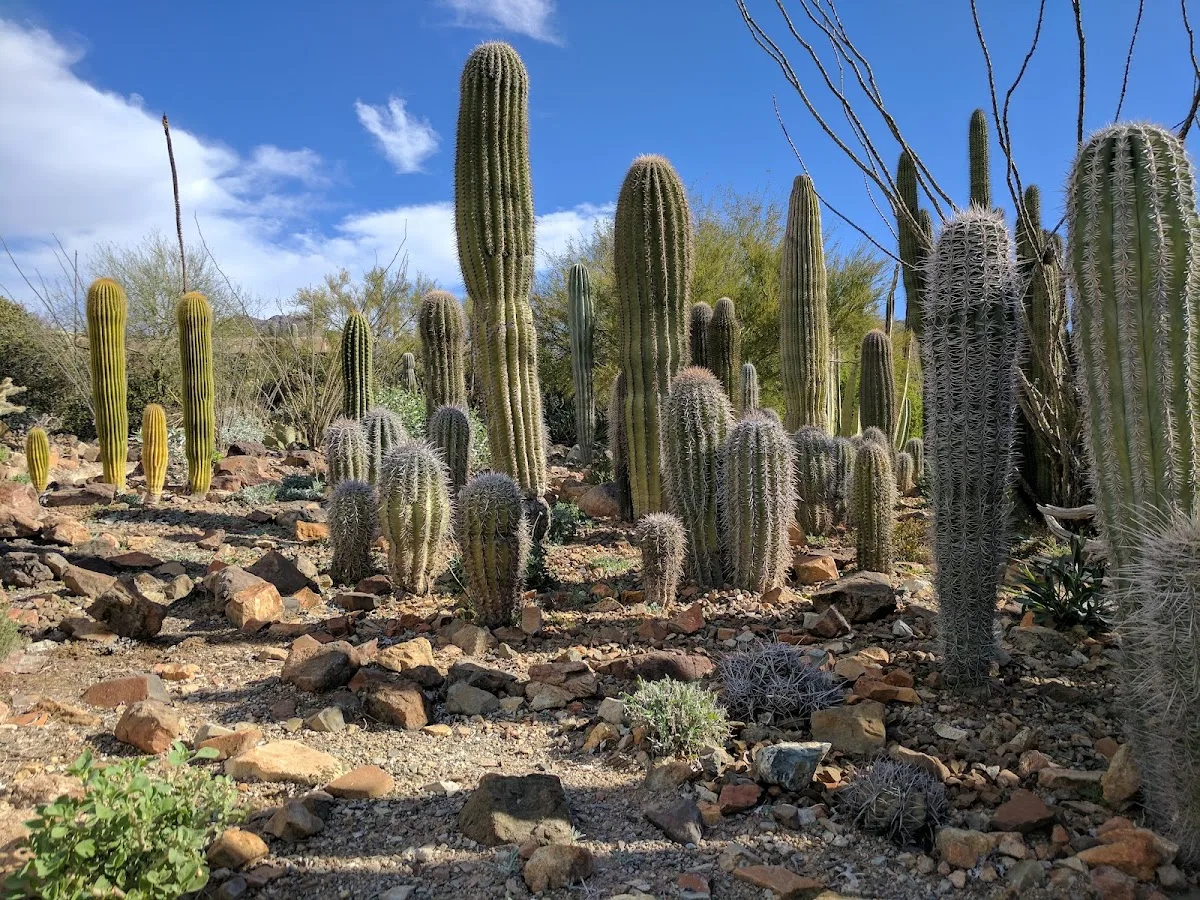
The grounds unfold along a network of walking paths that lead through carefully designed desert habitats. Visitors may watch Mexican gray wolves pace through their enclosure, see mountain lions resting among boulders, or spot javelinas, coyotes, bobcats, and black bears in settings that resemble the rugged country around Tucson. The Desert Loop Trail passes through cactus forests, desert grasslands, and rocky slopes, while the Mountain Woodland area evokes higher elevations in southern Arizona. The paths are generally paved or compacted, though some sections include inclines, uneven surfaces, and little shade. Along the way, interpretive signs explain how water, geology, fire, and seasonal rainfall shape life in the Sonoran Desert.
The museum’s botanical collections are equally compelling. Saguaro, ocotillo, palo verde, agave, yucca, and dozens of other native plants create a changing display of form and color, especially after summer rains or during spring bloom. The Warden Aquarium introduces desert waterways and the remarkable fish and reptiles that survive in them, while aviaries and habitat exhibits bring visitors close to hummingbirds, raptors, and other desert birds. Demonstrations and keeper talks add movement and context, showing how animals hunt, adapt, and communicate. Children can explore interactive areas designed for discovery, but adults who enjoy photography, ecology, gardening, or regional history find plenty of depth as well.
A visit usually takes at least two to three hours, and many guests stay longer to follow the trails, attend demonstrations, and pause at overlooks. Early morning is the most comfortable time in the hot months, when animals are often active and the light is gentle. From late fall through spring, cooler temperatures make the middle of the day pleasant, while spring brings especially rewarding plant displays. Comfortable walking shoes, water, sunscreen, and a hat are essential, since much of the experience takes place outdoors. Families, visiting nature lovers, photographers, school groups, and travelers seeking an authentic Tucson experience all find the museum welcoming, though strollers and mobility devices may require care on sloped sections.
More than an attraction, the Arizona Sonora Desert Museum serves as a lively portrait of the region, connecting Tucson’s urban edge with the habitats, species, and cultural stories of the desert. It gives visitors a memorable sense of how much life thrives in an environment often mistaken for empty or harsh. Anyone wanting to understand southern Arizona should make time to experience it for themselves.