
Arizona History Museum
Museum exploring southern Arizona's past, with artifacts such as Geronimo’s rifle & Spanish silver.
About Arizona History Museum
The Arizona History Museum, at 949 E 2nd St in Tucson, offers a vivid introduction to the people, conflicts, industries, and cultures that shape southern Arizona. Operated by the Arizona Historical Society, the museum looks beyond the familiar image of desert scenery and cowboy lore, tracing the region’s history from Indigenous communities and Spanish exploration to territorial Tucson and the modern city. Its collection gives the past a tangible presence, with objects that connect major historical events to the lives of the people who experienced them.
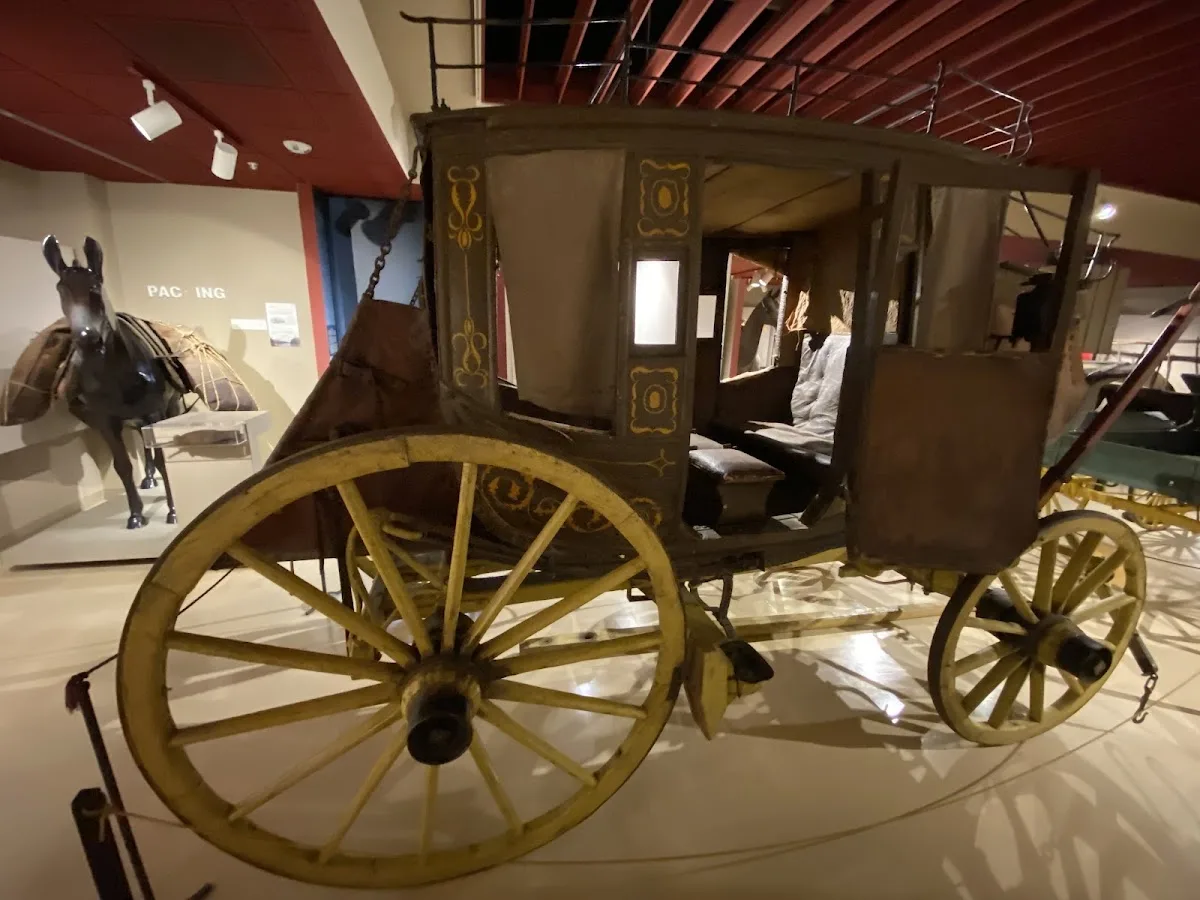
Among the most memorable artifacts is a rifle associated with Geronimo, a powerful reminder of the Apache resistance and the turbulent years of westward expansion. Spanish silver offers another glimpse into the region’s earlier connections to Mexico, trade, religion, and empire. Throughout the galleries, visitors encounter material from mining, ranching, transportation, domestic life, military history, and Tucson’s growth. These are not distant, abstract stories. A tool, weapon, garment, map, or household object often shows how people adapt to an unforgiving landscape and how different cultures meet, cooperate, compete, and leave lasting marks on the region.
What makes the museum especially valuable in Tucson is its local focus. National history often treats Arizona as a final chapter in the story of the American frontier, while this institution places southern Arizona at the center of its own long narrative. Visitors learn how Tucson develops through layers of Indigenous, Spanish, Mexican, and American influence, and how the city’s location near the border shapes its identity. The exhibits also provide useful context for nearby historic sites, adobe neighborhoods, missions, mining communities, and landscapes that visitors may explore after leaving the museum.
The museum works well for families, students, history enthusiasts, and anyone who wants a deeper understanding of Tucson before touring the rest of the city. Children can engage with the unusual objects and striking stories, while adults often appreciate the careful attention to regional detail. A weekday morning usually offers the calmest experience, with more time to read labels and study the displays. Cooler months are particularly pleasant for pairing the museum with a walk through central Tucson, while an afternoon visit during the hot summer season provides an engaging indoor break. Visitors should check the current schedule before arriving, since hours and special exhibitions can change.
With a Google rating of 4.6 out of 5, the Arizona History Museum earns strong appreciation for making complex regional history accessible and memorable. It is more than a collection of old objects, it is a place where Tucson’s layered identity becomes visible through stories, artifacts, and evidence. Anyone interested in understanding what makes southern Arizona distinctive should set aside time to experience the Arizona History Museum for themselves.